In detail
The technical bit, in plain English.
EV chargers are a small but consequential purchase. The unit on the wall is only a fraction of the decision, the tariff, the solar integration, and the electrical work behind the fascia matter more.
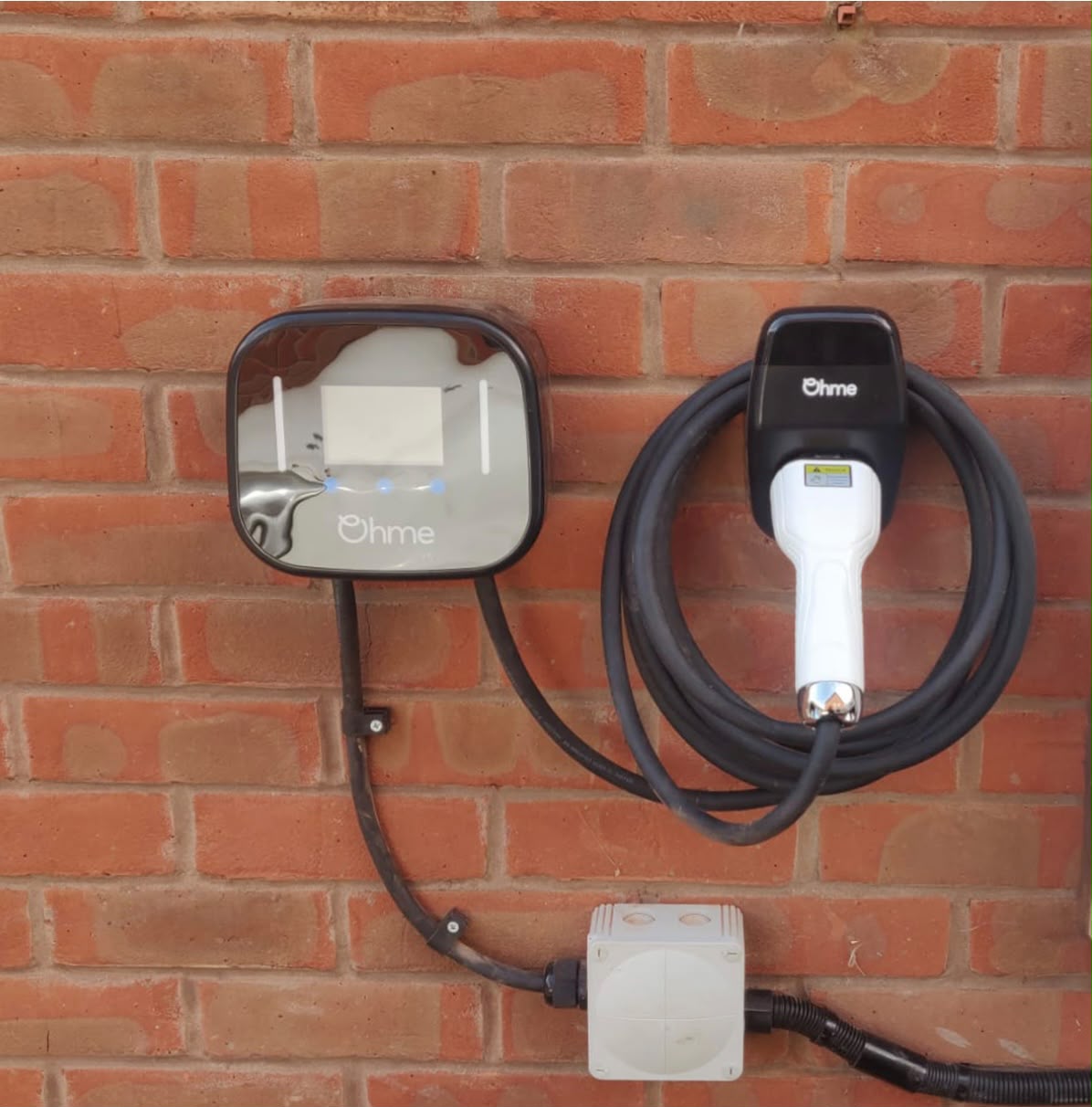
Tethered vs untethered units
Tethered chargers carry their own cable and are quicker to plug in day to day. Untethered chargers take your car's own cable and are more flexible if you change vehicles or lend the charger to a visitor. Neither is wrong, the choice usually comes down to how tidy you want the driveway to look.
Solar integration modes
Good home chargers offer at least three modes: pure grid charge, solar-only (only ever draws surplus solar power), and hybrid (tops up solar with grid to hit a target speed). Solar-only is the most efficient use of your generation but takes longer; hybrid is the usual compromise for households that need the car ready by morning.
Tariff scheduling and time-of-use
The single biggest saving on EV running costs is charging on a cheap overnight tariff. Modern chargers integrate with Octopus, EDF, and other suppliers to schedule automatically, and can pause automatically when the price spikes on dynamic tariffs like Agile.
PEN-fault protection and earthing
UK regulations require PEN-fault detection or a separate earth for outdoor EV charge points. Most modern chargers include built-in PEN-fault detection; older units may require a driven earth rod. This is a safety issue, not a nice-to-have, and it is one of the most common corners cut on rushed installs.
OZEV grant eligibility (2026 rules)
The Electric Vehicle Homecharge Scheme (EVHS) grant is no longer open to single-family homeowners in the traditional sense, but it remains available for flats, rental properties, and specified business use cases. We check every household against the current OZEV criteria and only claim where you genuinely qualify, no false promises at the door.